
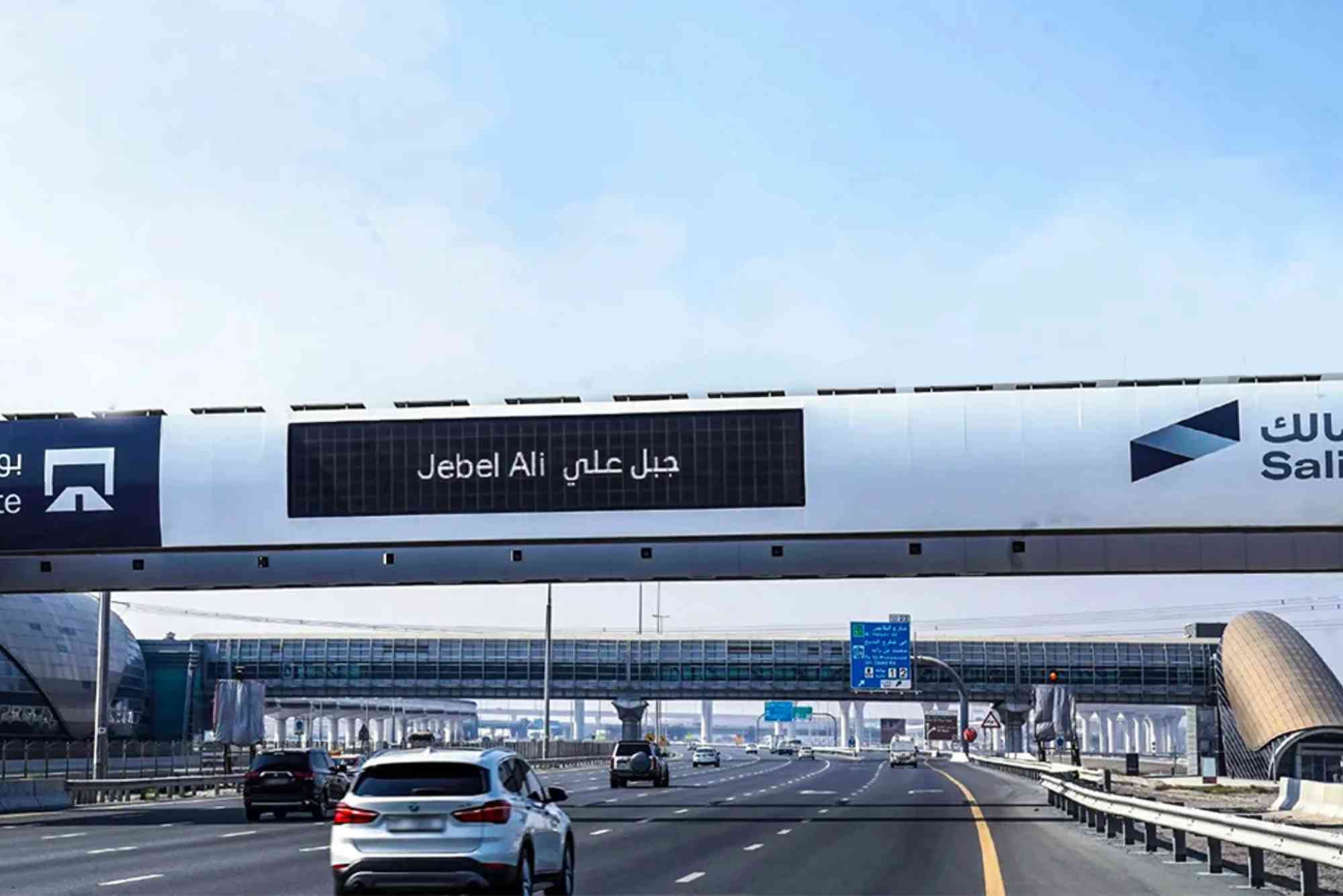
Introduction
Navigating Dubai’s roads comes with a unique feature known as Salik, the electronic toll system that deducts charges automatically when you pass through certain gates. Whether you’re a resident, commuter, or tourist, understanding Salik timing in Dubai is crucial for saving time and avoiding unnecessary expenses. This guide explores how Salik works, where toll gates are located, what times they’re active, and how charges apply.
Knowing the system well can help you make informed decisions about your driving routes, daily commutes, or even travel planning in the emirate. Salik is not just about charges—it’s about strategic mobility.
What is Salik and How Does It Work?
Salik, which means “open” or “clear” in Arabic, is Dubai’s road toll system launched by the Roads and Transport Authority (RTA) in 2007. Unlike traditional toll booths, Salik is a fully automated, cashless system that relies on RFID technology. Every vehicle in Dubai needs to have a Salik tag placed on the windshield. When a car passes under a Salik gate, sensors scan the tag and deduct the toll amount from the prepaid account linked to that vehicle.
The purpose of the system is to regulate traffic, especially during peak hours, and encourage the use of public transportation or alternative routes. It ensures smoother traffic flow across key roads like Sheikh Zayed Road and Al Maktoum Bridge.
Salik Charges and Active Toll Timings
The current Salik charge in Dubai is AED 4 per passage through each active gate. However, understanding when gates are operational is just as important as knowing their locations.
The Salik system is operational 24 hours a day, 7 days a week, at most gates, but there are exceptions. Certain gates have specific timing rules based on traffic management policies. For example, Al Maktoum Bridge does not charge during off-peak hours to encourage its use and relieve pressure from other routes.
Peak and Off-Peak Timings
Generally, Salik gates are active around the clock, but some gates deactivate during non-rush hours, weekends, or public holidays. For instance, the Al Maktoum Bridge gate is not active from 10 PM to 6 AM, and it’s toll-free on Fridays and public holidays. Understanding these timing nuances can help reduce your toll expenses.
Double Charging Policy
One of the key things drivers need to be aware of is that if you pass through two toll gates within a 1-hour window going in the same direction, you are charged only once. However, this only applies when you pass from Al Safa to Al Barsha or vice versa. The time window must be continuous without exiting the main route.
Active Salik Toll Gate Locations
As of now, there are eight active Salik toll gates across Dubai. Each of them plays a strategic role in managing traffic flow across high-density areas.
- Al Garhoud Gate on Al Garhoud Bridge
- Al Maktoum Gate on Al Maktoum Bridge
- Al Safa Gate near Business Bay
- Al Barsha Gate near Mall of the Emirates
- Al Mamzar North Gate on Ittihad Road
- Al Mamzar South Gate on Ittihad Road
- Airport Tunnel Gate near Dubai International Airport
- Jebel Ali Gate on Sheikh Zayed Road towards Abu Dhabi
These gates are placed at strategic choke points. Avoiding them entirely can be difficult during some commutes, but timing your travel outside their active hours can help save money.
Exemptions and Special Cases
Some vehicles are exempt from Salik charges. This includes ambulances, police vehicles, RTA buses, and some government vehicles. In addition, individuals with disabilities and senior Emirati citizens may apply for exemption under specific guidelines. However, the exemption is not automatic and must be applied for through the official RTA channels.
Vehicles with temporary Salik tags or visiting tourists must also register their tags to avoid fines. Even a rented vehicle requires you to be aware of Salik rules, as charges are usually passed onto renters.
How to Avoid or Minimize Salik Charges
One of the smart ways to optimize your travel is by avoiding unnecessary toll gates through alternative roads or using Salik-exempt times. Public transport like the Dubai Metro, trams, and buses is another option, especially for regular commutes.
Apps like RTA Smart Drive and Google Maps can help drivers plan their route to avoid Salik tolls. These apps provide real-time traffic updates and toll road indicators, helping you navigate smarter. Another option is carpooling or using ride-sharing apps that split toll charges among passengers.
If you regularly drive across toll points, you can keep an eye on traffic congestion maps and set notifications for peak hours, especially if you are using Sheikh Zayed Road or Al Ittihad Road often.
How to Recharge and Check Salik Balance
Salik accounts can be recharged online through the RTA website, Salik app, or at kiosks and service centers across Dubai. You can also link your account to your mobile number to receive SMS alerts for low balance.
The minimum recharge amount is AED 50, and you must maintain a sufficient balance to avoid fines. The system automatically deducts charges, and in case of insufficient balance, penalties are added after a grace period.
To check your balance, you can use the RTA’s official app or website by logging in with your account number or vehicle details. Ensuring your account is topped up can save you from the AED 50 fine imposed for each unpaid trip.
Salik Penalties and Fines
If a vehicle passes through a Salik gate without a valid tag or sufficient balance, the system logs the violation and fines are issued. The standard penalty is AED 100 for the first offense, AED 200 for the second, and AED 400 for each subsequent offense within the same year. These fines are added to your RTA account and must be cleared before your next vehicle registration.
It’s important to note that fines can also apply if you remove or tamper with the Salik tag or if the RFID system fails due to tag misplacement.
Future of Salik and Toll Developments
Dubai’s RTA has long-term plans to expand the Salik system, potentially adding more toll gates to manage traffic more efficiently. In 2022, Salik was spun off into a publicly listed company, which indicates a focus on growth, technological improvement, and better service management.
The future might include dynamic tolling, where charges vary based on congestion levels, or enhanced tag integration with parking and fuel services. As Dubai’s population and vehicle count grow, Salik’s evolution will continue to be a cornerstone of traffic management.
Understanding Salik timing in Dubai gives you more than just information—it gives you control. You can reduce your toll expenses, avoid fines, and manage your routes with confidence. Whether you’re a daily commuter or an occasional driver, keeping track of gate timings, planning alternate routes, and maintaining your account are essential for a smoother driving experience.
Always keep your tag active, monitor your balance, and time your trips wisely to get the most out of Dubai’s smart road infrastructure.
FAQs
Q: What time does Salik start in Dubai?
Salik is active 24/7 at most gates. However, Al Maktoum Bridge is inactive from 10 PM to 6 AM and on Fridays.
Q: Is Salik free on Fridays in Dubai?
Yes, Salik is free at Al Maktoum Bridge on Fridays and public holidays. Other gates remain active unless otherwise stated by RTA.
Q: Are there any hours when Salik does not charge?
Only specific gates like Al Maktoum Bridge have non-charging hours. Most others operate round the clock.
Q: Can I avoid Salik by using alternate routes?
Yes, you can use roads like Al Khail Road or Mohammad Bin Zayed Road to bypass toll gates, depending on your destination.
Q: How many Salik gates can I pass through without being charged twice?
You are only charged once if you pass through Al Safa and Al Barsha gates within an hour going in the same direction.