
Introduction
A quotation invoice is one of the most important documents in modern business transactions, especially when dealing with clients before a sale is finalized. Whether you run a small business, freelance service, or a large company, understanding how a quotation invoice works can improve communication, prevent misunderstandings, and help you secure more deals with clarity.
In simple terms, a quotation invoice is a document that outlines estimated costs for goods or services before the final billing stage. It helps both the seller and buyer agree on pricing and scope before work begins. Many businesses confuse a quotation invoice with a final invoice, but they serve different purposes in the sales cycle.
In this guide, we will explore what a quotation invoice is, why it matters, how to create it properly, and common mistakes to avoid. By the end, you’ll have a clear understanding of how to use a quotation invoice effectively in your business operations.
What is a Quotation Invoice?
A quotation invoice is a preliminary financial document shared with a potential client before the actual service or product delivery begins. It includes estimated pricing, service descriptions, terms, and conditions.
Unlike a final invoice, a quotation invoice is not a request for payment. Instead, it acts as a proposal that allows the customer to review costs and decide whether to proceed. Once the client accepts the quotation invoice, it may later be converted into a final invoice after completion of work.
In business communication, a quotation invoice plays a vital role in building trust because it ensures transparency from the beginning of the transaction.

Importance of a Quotation Invoice in Business
A quotation invoice is not just a formality; it is a powerful business tool that helps in multiple ways.
Firstly, it provides clarity between buyer and seller. When a client receives a quotation invoice, they clearly understand what they are paying for and how much it will cost. This reduces the chances of disputes later.
Secondly, a quotation invoice helps businesses appear professional and organized. Clients are more likely to trust companies that provide structured documentation instead of verbal pricing.
Thirdly, it supports better financial planning. Since a quotation invoice includes estimated costs, businesses can forecast revenue and manage resources efficiently.
Finally, a quotation invoice helps speed up decision-making. Clients can compare multiple quotes and choose the one that best fits their budget and requirements.
Difference Between Quotation Invoice and Final Invoice
One of the most common misunderstandings in accounting is the difference between a quotation invoice and a final invoice.
A quotation invoice is created before the service is delivered. It contains estimated prices and is used to propose a deal. On the other hand, a final invoice is issued after the work is completed and contains the exact amount due.
Another key difference is legal obligation. A quotation invoice does not require payment and is not legally binding in most cases, while a final invoice is a legal demand for payment.
Additionally, a quotation invoice is flexible and can be adjusted based on client negotiation. A final invoice, however, reflects the agreed and completed transaction without further changes.
Understanding this difference helps businesses avoid confusion and maintain accurate financial records.
Key Elements of a Professional Quotation Invoice
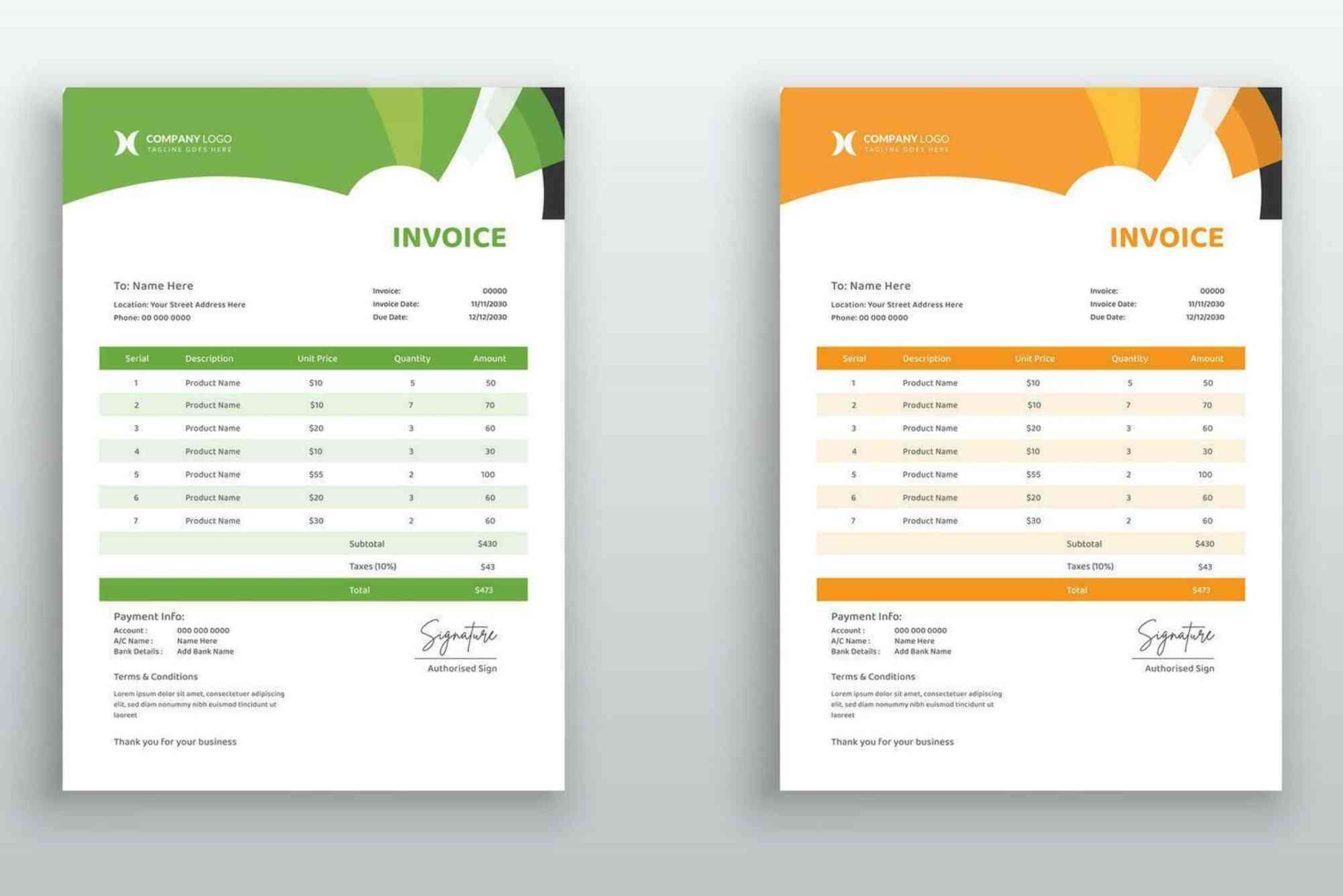
A well-prepared quotation invoice should always include essential details that make it clear and professional.
Every quotation invoice should contain business information such as company name, contact details, and logo. It should also clearly mention client details to ensure proper identification.
Another important part of a quotation invoice is the description of goods or services. This section should clearly explain what is being offered, along with quantities, specifications, or project details.
Pricing is the core element of a quotation invoice, and it should include unit cost, total cost, and any applicable taxes or discounts.
A quotation invoice should also include validity dates, which indicate how long the quoted price remains valid. This prevents confusion if prices change over time.
Finally, terms and conditions in a quotation invoice help set expectations regarding payment methods, delivery timelines, and cancellation policies.
How to Create a Quotation Invoice Effectively
Creating a quotation invoice requires attention to detail and a clear understanding of client needs.
The first step is gathering accurate project information. Before preparing a quotation invoice, you should understand the client’s requirements fully to avoid miscalculations.
Next, calculate costs carefully. A quotation invoice should include realistic pricing based on market rates, labor, materials, or service effort.
After that, structure the document in a clean and readable format. A professional quotation invoice should be easy for clients to understand without confusion.
It is also important to personalize each quotation invoice. Generic documents often reduce credibility, while tailored quotes show professionalism and attention to detail.
Finally, always review the quotation invoice before sending it to ensure accuracy in numbers, descriptions, and client details.
Common Mistakes to Avoid in a Quotation Invoice
Many businesses lose clients due to avoidable mistakes in their quotation invoice.
One common error is unclear pricing. If a quotation invoice does not clearly break down costs, clients may lose trust or request revisions.
Another mistake is ignoring validity dates. A quotation invoice without a deadline can create confusion if market prices change later.
Some businesses also fail to include terms and conditions, which can lead to disputes after the project begins.
Overcomplicating the design is another issue. A quotation invoice should be professional but simple, not overloaded with unnecessary information.
Avoiding these mistakes ensures that your quotation invoice builds trust and improves conversion rates.
Why Quotation Invoice Matters for Freelancers and Small Businesses
For freelancers and small business owners, a quotation invoice is even more important because it directly affects client acquisition.
A clear quotation invoice helps freelancers set expectations from the start, reducing misunderstandings during the project. It also improves credibility, especially when competing with larger companies.
Small businesses use a quotation invoice to standardize pricing and maintain consistency across different clients. This makes financial tracking easier and more reliable.
In competitive markets, a professional quotation invoice can be the difference between winning and losing a project.
Digital Tools for Creating Quotation Invoices
Today, many businesses use digital platforms to create a quotation invoice quickly and accurately.
Online invoicing tools allow users to generate a quotation invoice in minutes, customize templates, and send them directly to clients via email. These tools also help track acceptance rates and manage records efficiently.
Using software for a quotation invoice reduces human error and ensures consistency across all documents. It also saves time, especially for businesses handling multiple clients.
Even simple spreadsheet tools can be used to create a basic quotation invoice, but dedicated software offers more advanced features for scaling businesses.
When Should You Send a Quotation Invoice?
Timing plays an important role in the effectiveness of a quotation invoice.
You should send a quotation invoice immediately after understanding the client’s requirements and completing the cost estimation process. Delaying it can reduce client interest or lead them to competitors.
A quotation invoice is also useful during negotiations, as it allows adjustments based on client feedback.
Bookkeeping: systematic recording and organizing of all financial transactions of a business to maintain accurate records, track income and expenses, support decisions, prepare tax reports, and ensure financial control and transparency for better business growth and compliance. ensuring smooth financial management in daily operations.
FAQs
What is a quotation invoice used for?
A quotation invoice is used to provide an estimated cost of goods or services before work begins. It helps clients understand pricing and decide whether to proceed with the offer.
Is a quotation invoice legally binding?
In most cases, a quotation invoice is not legally binding because it is an estimate rather than a final agreement. However, once accepted, it may form the basis of a contract depending on business terms.
Can a quotation invoice be changed after sending?
Yes, a quotation invoice can be revised before acceptance. Businesses often update it based on client negotiations or changes in project scope.
What is the difference between a quotation invoice and a proforma invoice?
A quotation invoice is an estimate sent before agreement, while a proforma invoice is a preliminary bill issued after acceptance but before delivery or payment.
Why is a quotation invoice important for small businesses?
A quotation invoice helps small businesses maintain professionalism, set clear expectations, and reduce misunderstandings with clients, improving trust and conversions.
Related Reading: How To Create An Invoice